
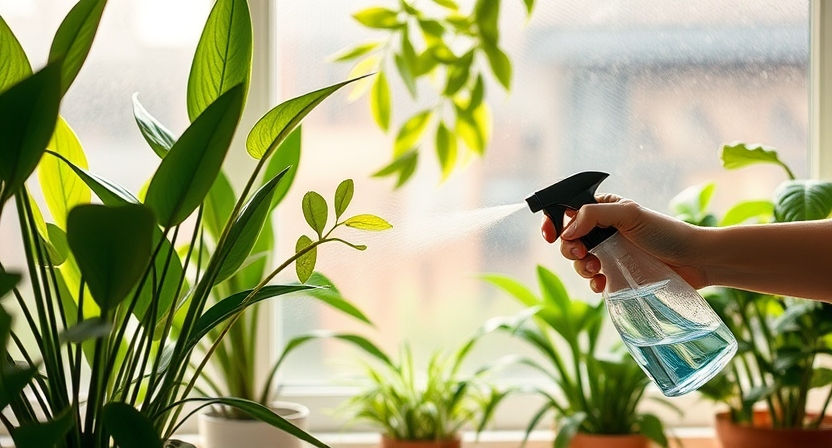
Bottom Watering vs Top Watering: Which is Best for Your Plants?

Watering your plants might seem straightforward, but the method you choose can significantly impact their health and growth. Two common watering techniques are bottom watering and top watering, each with its own set of advantages and disadvantages.
Bottom Watering

Bottom watering involves placing the pot in a tray or sink filled with water and allowing the plant to absorb moisture from the bottom up. This method is particularly beneficial for:
Preventing Overwatering: Water is absorbed by the soil at its own pace, minimizing the risk of waterlogging and root rot.
Ensuring Even Moisture Distribution: Water rises through the soil evenly, ensuring all roots receive adequate moisture.
Reducing the Risk of Fungal Diseases: As water doesn't directly contact the leaves, it minimizes the risk of fungal growth.
Protecting Sensitive Plants: Ideal for plants prone to root rot or those with delicate foliage.
However, bottom watering also has some drawbacks:
Slower Process: It can take longer for water to reach the top of the soil.
Not Suitable for All Plants: Plants with shallow root systems may not benefit from bottom watering.
Can Lead to Salt Buildup: If not done occasionally, salt buildup can occur in the soil.
Top Watering

Top watering is the most common method, involving pouring water directly onto the soil surface. This method offers several advantages:
Quick and Easy: It's a simple and convenient method for most gardeners.
Flushes Out Salts: Helps remove excess salts and minerals that can build up in the soil.
Improves Soil Aeration: Can help loosen compacted soil and improve drainage.
However, top watering also carries some risks:
Higher Risk of Overwatering: Can lead to waterlogging and root rot if not done carefully.
Can Splash Water on Leaves: May increase the risk of fungal diseases in some plants.
Uneven Moisture Distribution: Water may not reach all parts of the root system evenly.
Choosing the Right Method
The best watering method depends on the specific needs of your plants and your personal preferences. Bottom watering is generally recommended for plants that are susceptible to overwatering or have delicate foliage. Top watering is often easier and more convenient for most gardeners, but it's crucial to avoid overwatering and to water thoroughly to ensure even moisture distribution. You can also consider a combination of both methods. For example, you might primarily use bottom watering but occasionally top water to flush out salts and improve soil aeration.
By understanding the pros and cons of each method, you can choose the best watering technique for your plants and ensure they thrive.
If you wish to own your very own garden minus the hassle of selecting, designing, purchasing, and installing it yourself, hit us up!
Little Greens will help you design and install customized plant arrangements that not only look stunning but thrive with minimal effort. From selecting the perfect plants to suit your environment, to creating a tailored irrigation system for worry-free maintenance, we handle every aspect of your project. Experience the joy of your very own thriving garden without the hassle!


Comments